A comprehensive guide to understanding Total Dissolved Solids (TDS) and pH levels in your drinking water.
Understanding water quality metrics is essential for making informed decisions about your drinking water. Let's demystify two crucial parameters: TDS and pH.
What is TDS (Total Dissolved Solids)?
TDS measures the total concentration of dissolved substances in water, including:
- Minerals (calcium, magnesium, potassium)
- Salts
- Metals
- Organic matter
TDS Levels and What They Mean:
- 0-50 ppm: Very low (may lack beneficial minerals) - 50-150 ppm: Excellent drinking water - 150-300 ppm: Good quality - 300-500 ppm: Acceptable - 500+ ppm: Not recommended for regular consumption
Understanding pH Levels
pH measures how acidic or alkaline water is on a scale of 0-14:
- Below 7: Acidic
- 7: Neutral
- Above 7: Alkaline
Ideal Drinking Water pH: 6.5-8.5
Why Both Matter Together
Low TDS water with improper pH can be corrosive and harmful. High TDS water might contain harmful contaminants. The key is balance—and that's where intelligent monitoring becomes invaluable.
How AI Water Purifier Helps
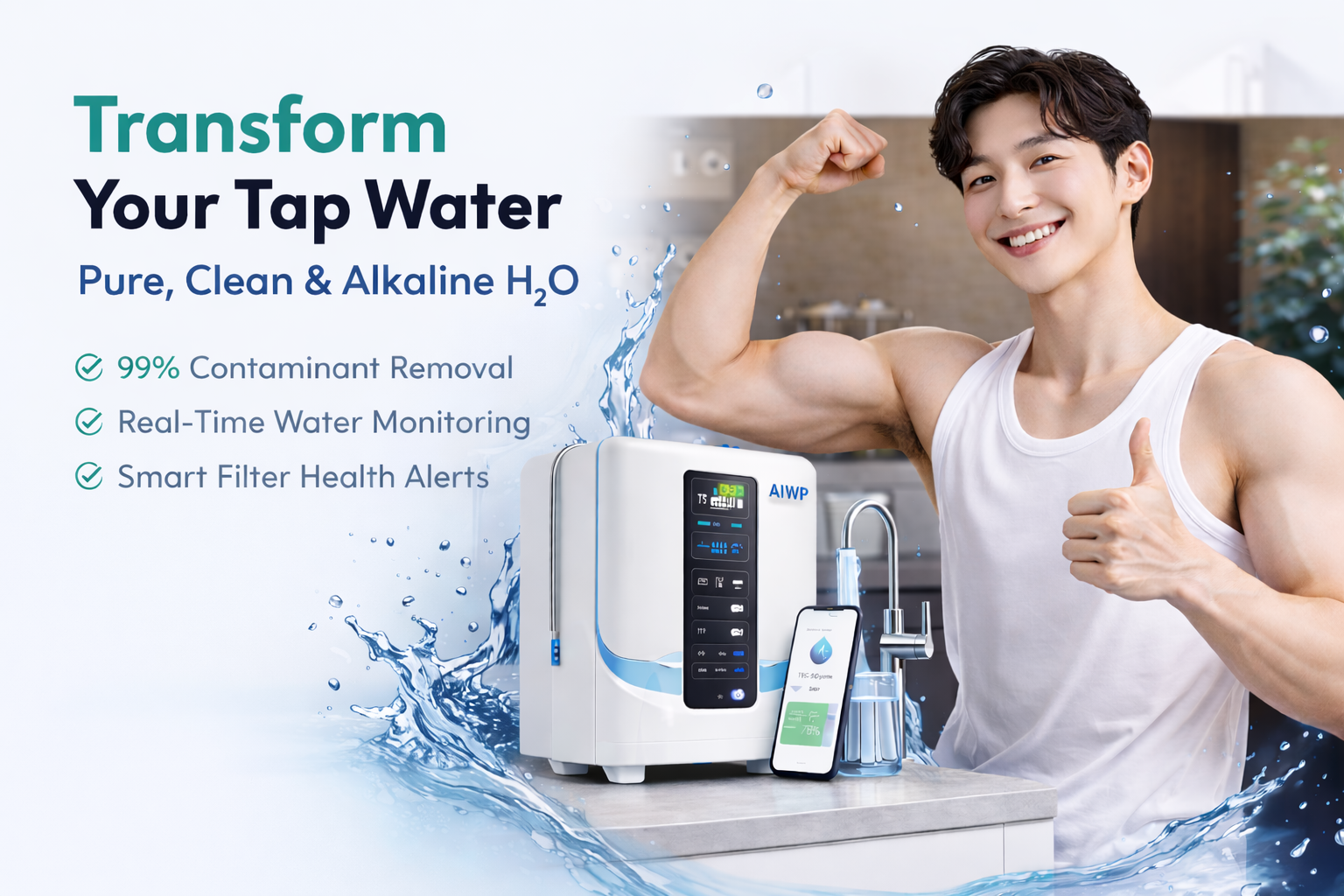
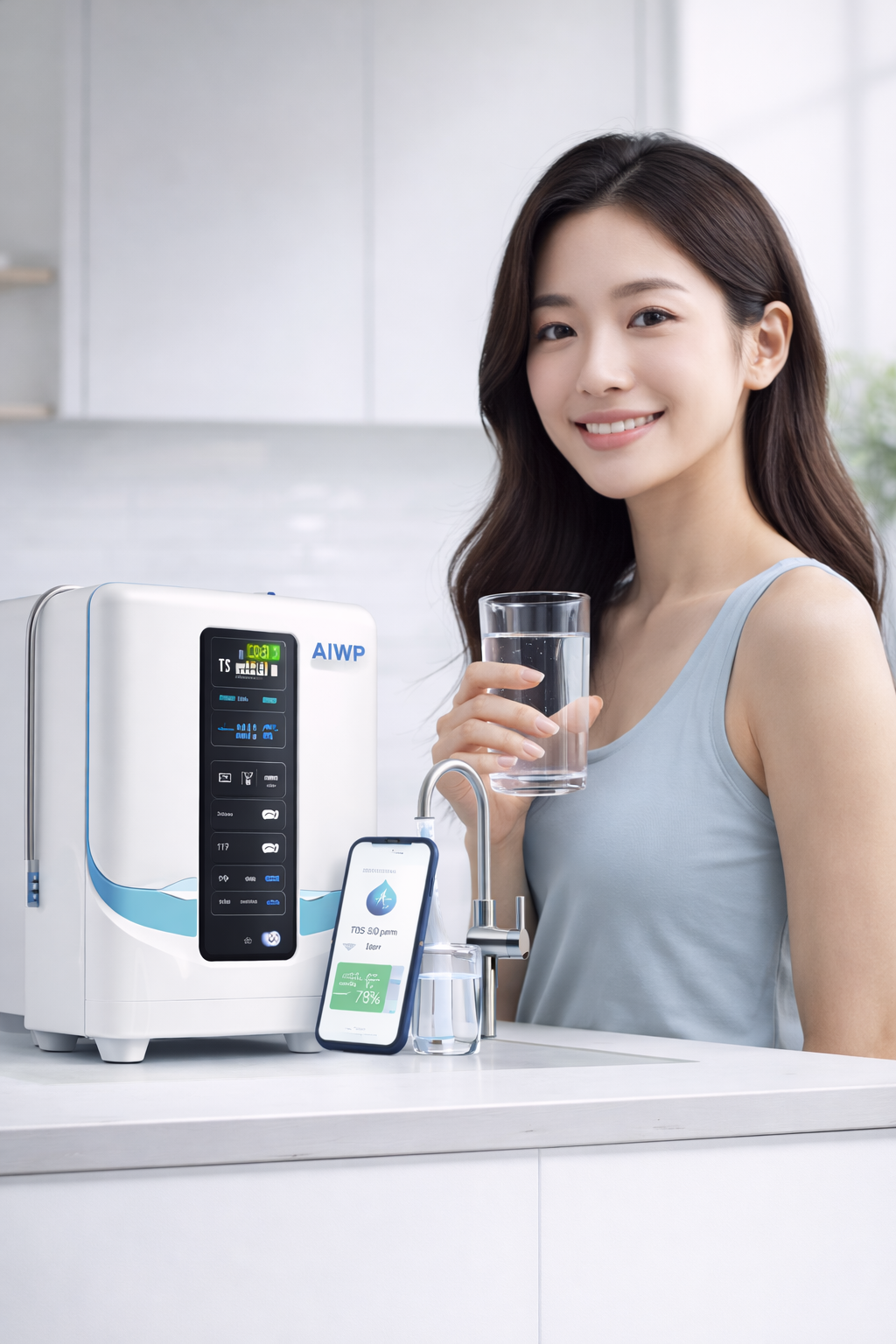
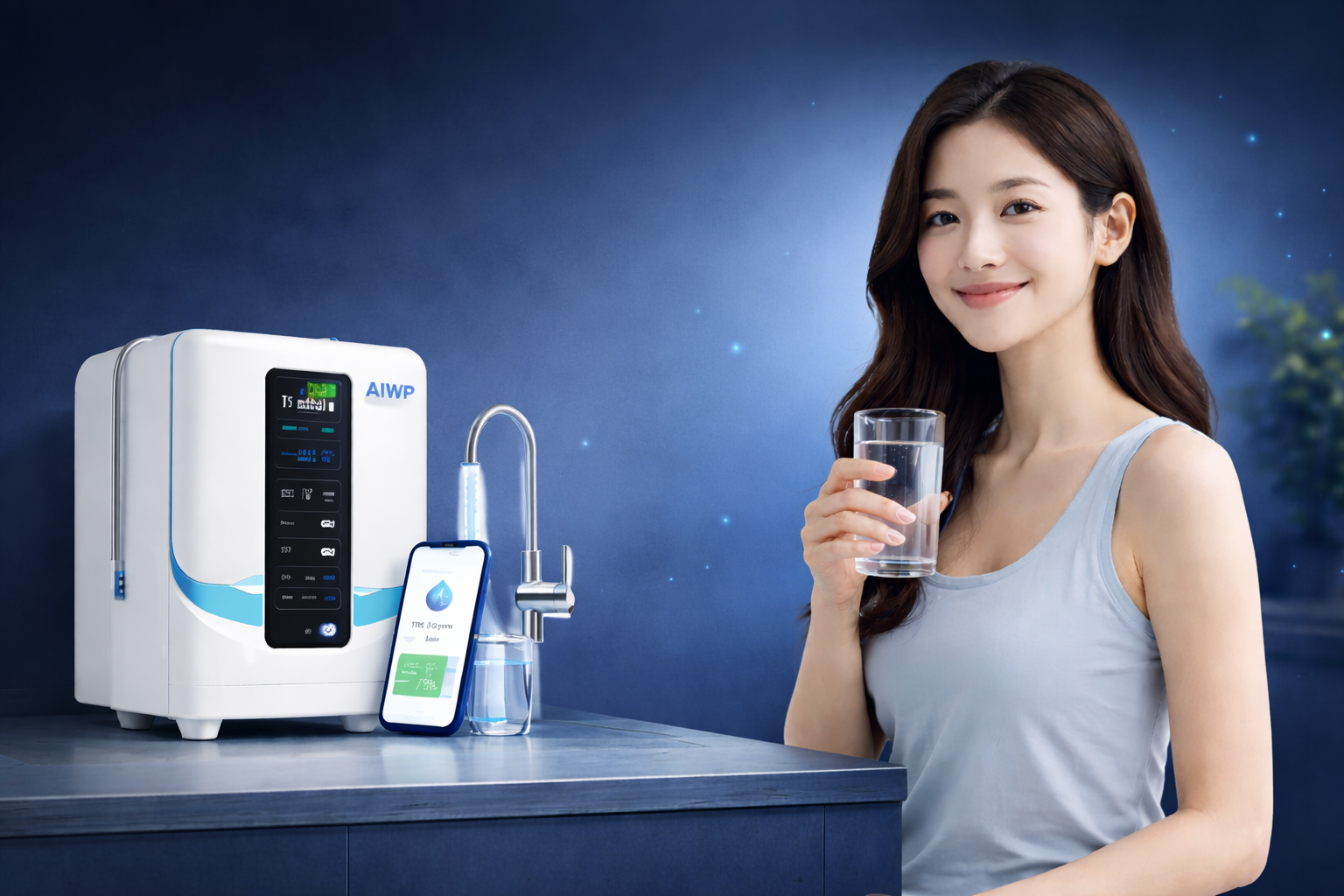
Our systems maintain optimal TDS (50-150 ppm) and pH (7.0-7.5) automatically, adjusting purification intensity based on input water quality. Real-time monitoring ensures every glass meets the highest standards.
Share this article